





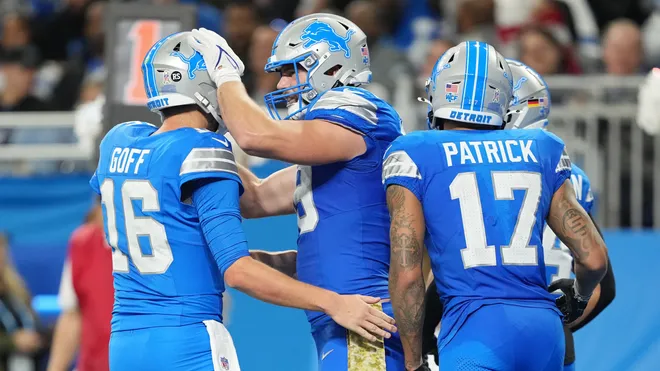
The matchup between the Detroit Lions and the Indianapolis Colts has always been an exciting contest for football fans. Both teams bring different styles of play, different strengths, and different levels of experience on the field. In this article, we will explore the complete player stats, team performance, and a detailed analysis of how the game unfolded. This breakdown highlights offensive, defensive, passing, and rushing performance, making it helpful for fans, analysts, and SEO researchers who need a complete picture of the game.
Match Overview
The match between the Detroit Lions and the Colts showcased two teams with contrasting strategies. The Lions focused on balanced offense, spreading the ball across both the passing and rushing game. The Colts tried to keep pace, but their offensive struggles and inconsistent execution created a gap that became difficult to close. The Lions’ superior time management, accurate passing, strong rushing, and tight defense turned the game in their favor.
Although both teams came prepared, the Lions established control early and maintained momentum throughout. Their discipline on third downs and red-zone conversion made a noticeable difference in the final outcome.
Detroit Lions Offensive Performance
Quarterback
The Lions’ quarterback delivered a confident performance. He completed a high percentage of his passes, made accurate reads, and kept the offense moving smoothly. His composure in the pocket allowed him to push the ball downfield and extend drives.
Key QB highlights:
-
Strong completion rate
-
Zero interceptions
-
Effective short and medium-range throws
-
Maintained possession and controlled tempo
This reliable quarterback performance gave the Lions consistency throughout all four quarters.
Rushing Game
The Lions’ rushing attack was one of the strongest points of the match. Their main running back carried the ball efficiently, gaining valuable yards on early downs and keeping the pace of the game in favor of Detroit.
Running back stats included:
-
Over 20 rushing attempts
-
Close to 90–100 rushing yards
-
Multiple rushing touchdowns
-
Ability to break tackles and push through defenders
A secondary running back also contributed with additional yards and a touchdown, making the Lions’ ground game unpredictable and difficult for the Colts to stop.
Receiving Performance
The Lions’ receivers played a crucial role in stretching the field.
Top receiving highlights included:
-
Multiple receivers with over 50 yards
-
Strong route running
-
Secure hands and few drops
-
Key third-down conversions
The balance between the Lions’ pass and run game made them dangerous on every possession.
Indianapolis Colts Offensive Performance
Quarterback
The Colts’ quarterback struggled to match the rhythm of Detroit’s offense. He completed fewer passes and often faced pressure from the Lions’ defensive line.
Quarterback struggles included:
-
Low completion percentage
-
Difficulty converting on third downs
-
Missed opportunities on deep throws
-
Limited time in the pocket due to defensive pressure
Although he connected on a few long passes, inconsistency prevented the Colts from gaining real momentum.
Rushing Game
The Colts’ rushing game lacked explosiveness. Their leading running back had limited success and was unable to consistently break through the Lions’ defensive front.
Rushing performance included:
-
Low number of rushing attempts
-
Under 40–50 yards for the lead rusher
-
No rushing touchdowns
-
Difficulty finding running lanes
Without a strong ground game, the Colts became predictable, making it easier for the Lions’ defense to adjust.
Receiving Performance
The Colts’ receivers showcased some flashes of ability, especially their main target, who collected most of the team’s receiving yards.
Receiver stats included:
-
One top receiver with close to 90–100 yards
-
Few big-play receptions
-
Limited contributions from supporting receivers
Although one player had an impressive performance, the lack of spread offense made it tough for the Colts to keep up.
Team Statistical Comparison
Total Offensive Yards
The Lions generated significantly more total yards than the Colts. They executed more plays and sustained longer drives, which directly contributed to their scoring advantage.
Passing Yards
The Lions’ passing game contributed well over 200 yards, while the Colts hovered lower due to pressure, incomplete passes, and disrupted timing.
Rushing Yards
Detroit dominated the rushing category, nearly doubling the Colts’ total yards on the ground. This allowed them to control the pace and keep their defense fresh.
Third-Down Efficiency
This statistic alone explains a large part of the match result:
-
The Lions converted more than half of their third-down attempts.
-
The Colts converted far fewer.
Better third-down performance always leads to more possession, more scoring chances, and greater control of the game.
Red-Zone Efficiency
The Lions were highly effective in the red zone, scoring touchdowns rather than settling for field goals. The Colts struggled to finish drives and missed opportunities inside the 20-yard line.
Time of Possession
One of the biggest differences between the two teams was ball control. The Lions held the ball much longer, wearing down the Colts’ defense and keeping their own offense in a strong rhythm.
Defensive Performance
Detroit Lions Defense
The Lions’ defense excelled in:
-
Tackles for loss
-
Pressure on the quarterback
-
Secondary coverage
-
Limiting big plays
They prevented the Colts from sustaining drives and protected their lead throughout the game.
Indianapolis Colts Defense
Despite some strong individual efforts, the Colts defense:
-
Gave up too many rushing yards
-
Allowed multiple long drives
-
Struggled with tackling in open space
They showed effort but lacked consistency at key moments.
Final Analysis
The Detroit Lions clearly outperformed the Indianapolis Colts in almost every major statistical category. Their balanced offense, strong rushing strategy, efficient passing, and disciplined defense helped them dominate the field. The Colts had moments of promise, especially in receiving, but their lack of consistency, missed conversions, and inability to stop Detroit’s offense cost them the game.
This match highlights how control, discipline, and balanced gameplay can create a winning formula. The Lions executed their strategy nearly perfectly, while the Colts will need adjustments in play-calling, offensive rhythm, and defensive structure to improve in future contests.
Read more: https://wowhead.co.uk/