




Introduction
A Whirlpool dryer that stops producing heat can disrupt your laundry routine and leave clothes damp or completely wet. While the drum may still spin, a lack of heat usually points to a problem in airflow, components, or power supply. Understanding the common causes and solutions can help you diagnose the issue quickly without relying on any external websites. This article explains why a Whirlpool dryer might stop heating and what you can do to restore proper function.
Check the Power Supply
Before assuming the dryer is damaged, check the electrical connection. Electric dryers require a 240-volt outlet. If one side of the circuit trips, the drum may still turn while the heater receives no power. Inspect your home’s circuit breakers and ensure the dryer plug is firmly connected. For gas models, make sure the gas supply valve is open. Poor or incomplete power is one of the most common reasons dryers fail to heat.
Lint Filter and Airflow Problems
Good airflow is essential for heat production. A clogged lint filter restricts air movement and can trigger safety systems that shut down the heating element. Remove the lint filter, clean it thoroughly, and check the housing for trapped debris. Also, inspect the exhaust vent behind the dryer. Long or twisted vent ducts often collect lint, which leads to overheating and reduced heat output.
Thermal Fuse Failure
Whirlpool dryers include a thermal fuse that blows when the appliance overheats. A blown fuse disables the heating system completely. This typically occurs because of blocked vents, restricted airflow, or excessive internal heat. Once the dryer is cooled and unplugged, some signs of overheating—like lint buildup—may be visible. While a blown thermal fuse usually needs replacement, preventing future overheating is the key to avoiding repeated failures.
Heating Element Issues
In electric Whirlpool dryers, the heating element is responsible for generating hot air. Over time, the coil can burn out due to age, high heat, or frequent heavy loads. If the dryer tumbles but remains cold, the heating element may be damaged. A visual inspection through the rear access panel often shows breaks or discoloration in the coil. A broken element must be replaced to restore heat.
Gas Ignition Problems
Gas Whirlpool dryers rely on an igniter, gas valve coils, and a burner assembly. If the igniter fails to glow or the gas coils do not open, the dryer will not heat. Sometimes the dryer may ignite once but fail afterward, which often indicates weak gas coils. If the dryer has no glow at all, the igniter itself may be faulty. These parts typically wear out over time and need replacement.
Read more:How to Cancel Game Mopfell78 – Complete Step-by-Step Guide
Thermostat or Sensor Malfunctions
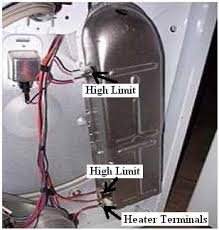
Dryers use thermostats and temperature sensors to regulate heat levels. If these components fail, the dryer may shut the heater off prematurely or prevent it from starting at all. A faulty high-limit thermostat can stop heating completely as a safety precaution. Moisture sensors inside the drum can also misread conditions and halt the heating cycle. These issues require part replacement to restore proper operation.
Control Board or Timer Problems
The control board or mechanical timer directs power to the heating components. If these controls malfunction, heat may not activate even though the dryer appears to run normally. Symptoms include inconsistent heating, cycles that start and stop randomly, or a drum that runs without warming. While less common, control failures do occur and may need professional diagnosis.
Overloaded Dryer
Overloading the drum makes it difficult for hot air to circulate. Even if the heating element works, a packed drum prevents warm air from reaching all the clothes. This can make it seem like the dryer isn’t heating properly. Reducing load size allows proper airflow and helps the dryer maintain consistent temperatures.
Vent Duct Blockage
The external vent outside the home is often overlooked. If it becomes clogged with lint, dirt, or even animal nests, heat cannot escape properly. This causes the dryer to overheat and shut down the heating system as a safety measure. Check the exterior vent to ensure strong airflow. Weak or no airflow from the outside outlet indicates a blockage.
Burnt Wiring or Loose Connections
Inside the dryer, wiring can burn out due to age, heat, or vibration. Loose or damaged wires interrupt the heating circuit even if the rest of the machine works. A burning smell or single areas of discoloration near the heater housing may indicate wiring issues. These problems require careful repair and are best handled by a professional.
When to Call a Technician
If you’ve checked the power, airflow, lint filter, and external vent but the dryer remains cold, the problem may lie in internal components such as fuses, elements, igniters, or control boards. For those unfamiliar with appliance repair, contacting a certified technician is the safest option. If your dryer is under warranty, professional service ensures proper coverage and repair quality.
Prevention Tips
Regular maintenance helps prevent heating problems. Clean the lint filter after every load and inspect the vent duct at least once a year. Avoid overloading the dryer, as heavy loads strain the motor and heating system. Make sure the dryer has enough space around it for ventilation. These simple habits improve efficiency and extend the appliance’s lifespan.
Conclusion
A Whirlpool dryer that stops heating can have many causes, ranging from simple airflow blockages to worn-out heating components. By checking the power supply, cleaning the lint system, examining the vent, and understanding how internal parts work, you can identify most common issues. While some problems require professional repair, many can be prevented through regular maintenance and proper use. With the right care, a Whirlpool dryer can continue to provide reliable, efficient performance for years.
Read more: https://wowhead.co.uk/