




Introduction
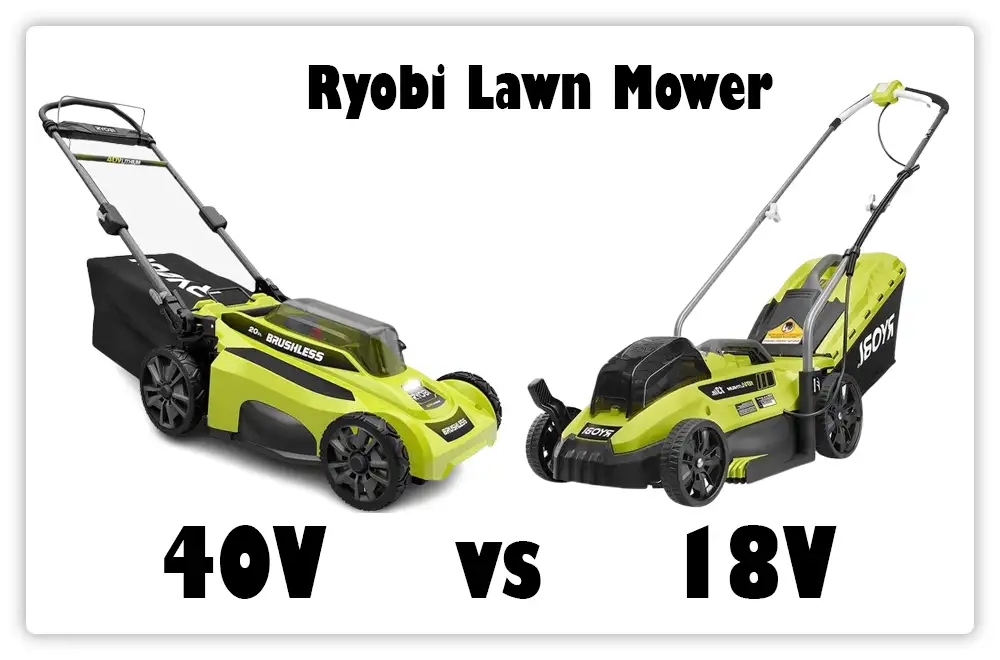
Ryobi has become a popular choice for homeowners who want convenient, battery-powered lawn tools, and one of the most common comparisons is between its 18V and 40V mower lines. Both options are cordless, easy to operate, and designed for everyday lawn care, but they cater to different needs, different yard sizes, and different power expectations. Understanding the difference between an 18V system and a 40V system helps you choose the right mower without confusion. This article explains the performance, battery life, cutting ability, maintenance, and overall value of each mower in about a thousand words—without relying on any external websites.
Battery Voltage and Power Output
The most important difference between an 18V mower and a 40V mower is power. Voltage affects how much force the mower can deliver to the blade. An 18V mower is built for lighter tasks—thin grass, small lawns, or occasional trimming. It provides enough power for everyday suburban yards but may struggle with thick, tall, or damp grass.
A 40V mower, on the other hand, is designed for higher performance. The stronger voltage means the blade spins with more force, making it better for tougher grass conditions. If your lawn grows fast, becomes dense during certain seasons, or hasn’t been cut for a while, a 40V mower handles these situations far more efficiently. More voltage means you spend less time going over the same spots.
Yard Size Suitability
The 18V mower is ideal for small yards. Most owners who have less than a quarter acre of land find it more than enough. Its lightweight design and compact frame make it easy to move around obstacles and store in tight spaces.
The 40V mower suits medium to large yards. If you have a half-acre or more, the increased cut width and longer battery life save significant time. Because the mower doesn’t struggle with thicker patches, you get a smoother, faster mowing session. Homeowners with wide lawns, slopes, or a mix of grass types prefer the 40V system.
Battery Life and Runtime
Runtime varies depending on the specific battery capacity, but voltage still influences the experience. The 18V line usually relies on batteries also used for smaller tools like drills or trimmers. These batteries often have lower amp-hour ratings, meaning they drain faster during heavy mowing. An 18V mower might be perfect for a quick cut on a small space but could require a second battery swap for anything larger.
The 40V system uses larger and more powerful batteries designed specifically for outdoor equipment. These batteries generally have higher amp-hour capacity and deliver longer continuous runtime. This makes the 40V mower more reliable for completing larger lawns without interruption.
Cutting Performance
Cutting performance depends on blade speed, torque, and deck size. The 18V mower usually features a smaller deck, often designed for narrow paths or compact lawns. It handles routine trimming and well-maintained grass easily, but dense or overgrown patches can cause slowdowns.
The 40V mower offers stronger torque and faster blade rotation. It removes thick layers of grass in one pass and keeps the blade speed more consistent, even under load. Many models also include wider decks, meaning fewer passes across the lawn. If you want a mower that delivers cleaner, quicker cuts, the 40V has a noticeable performance advantage.
Ease of Use and Maneuverability
One of the biggest benefits of an 18V mower is its lightweight build. Because it uses smaller batteries and a compact motor, it’s easier to push, lift, and store. Anyone who prefers a light, nimble mower—especially older users or those with limited storage space—may appreciate the 18V option more.
The 40V mower is heavier, but still much lighter than gas mowers. The weight adds stability and helps the mower stay grounded while cutting thick grass. Although it may require slightly more effort to maneuver, the gain in cutting power often outweighs the extra weight.
Noise and Vibration Levels
Both options are quieter than gas mowers, but the 18V mower is usually the quietest. Its smaller motor produces less vibration and softer blade noise. This can be useful for neighborhoods with close houses or early-morning mowing.
The 40V mower remains quiet compared to gas engines but creates a deeper humming sound due to its higher power output. For most users, the difference is minor and still far more comfortable than traditional mowers.
Read more:How to Cancel Game Mopfell78 – Complete Step-by-Step Guide
Maintenance and Durability
Both 18V and 40V Ryobi mowers offer low maintenance requirements. You don’t deal with oil changes, spark plugs, or fuel. However, durability differs slightly because of workload expectations.
The 18V mower, when used within its intended limits, lasts a long time. But if it’s frequently pushed through heavy grass or large yards, its motor may strain, and the battery may degrade faster. It works best when matched with small-lawn conditions.
The 40V mower is built for heavier use. Its motor is more robust, its battery system is designed to handle extended load, and its deck often uses stronger materials. It holds up better over long-term use, especially for people who mow regularly or tackle demanding lawn environments.
Cost and Value
Price differences reflect the power and battery size. The 18V mower is more affordable, making it an attractive choice for beginners, small households, or people upgrading from a manual mower.
The 40V mower costs more, but you get significantly better performance. Homeowners with larger or denser lawns find that the 40V model saves time, reduces frustration, and lasts longer under heavy use. When matched correctly to yard size, each mower delivers excellent value.
Who Should Choose the 18V Mower?
Choose the 18V Ryobi mower if:
-
You have a small lawn
-
Your grass is thin or lightly maintained
-
You want a lightweight, easy-to-store mower
-
You already own Ryobi 18V tools and batteries
-
You prefer a budget-friendly option
This mower works best for everyday, low-demand mowing.
Who Should Choose the 40V Mower?
Choose the 40V Ryobi mower if:
-
You have a medium to large yard
-
Your grass grows thick or tall
-
You want strong cutting power and longer runtime
-
You need a mower that handles tough conditions
-
You prefer fewer passes and faster mowing
This mower is more powerful and efficient for demanding lawns.
Conclusion
The choice between an 18V and a 40V Ryobi mower depends entirely on your yard’s needs and your expectations. The 18V mower is compact, lightweight, and ideal for small lawns with easy maintenance. The 40V mower offers greater strength, longer runtime, and better performance for medium to large lawns or challenging grass conditions. Both are reliable, cordless, and easy to maintain, but each excels in a different environment. Matching the mower to your yard size and grass type ensures you get the best results for your investment.
Read more: https://wowhead.co.uk/