






Introduction
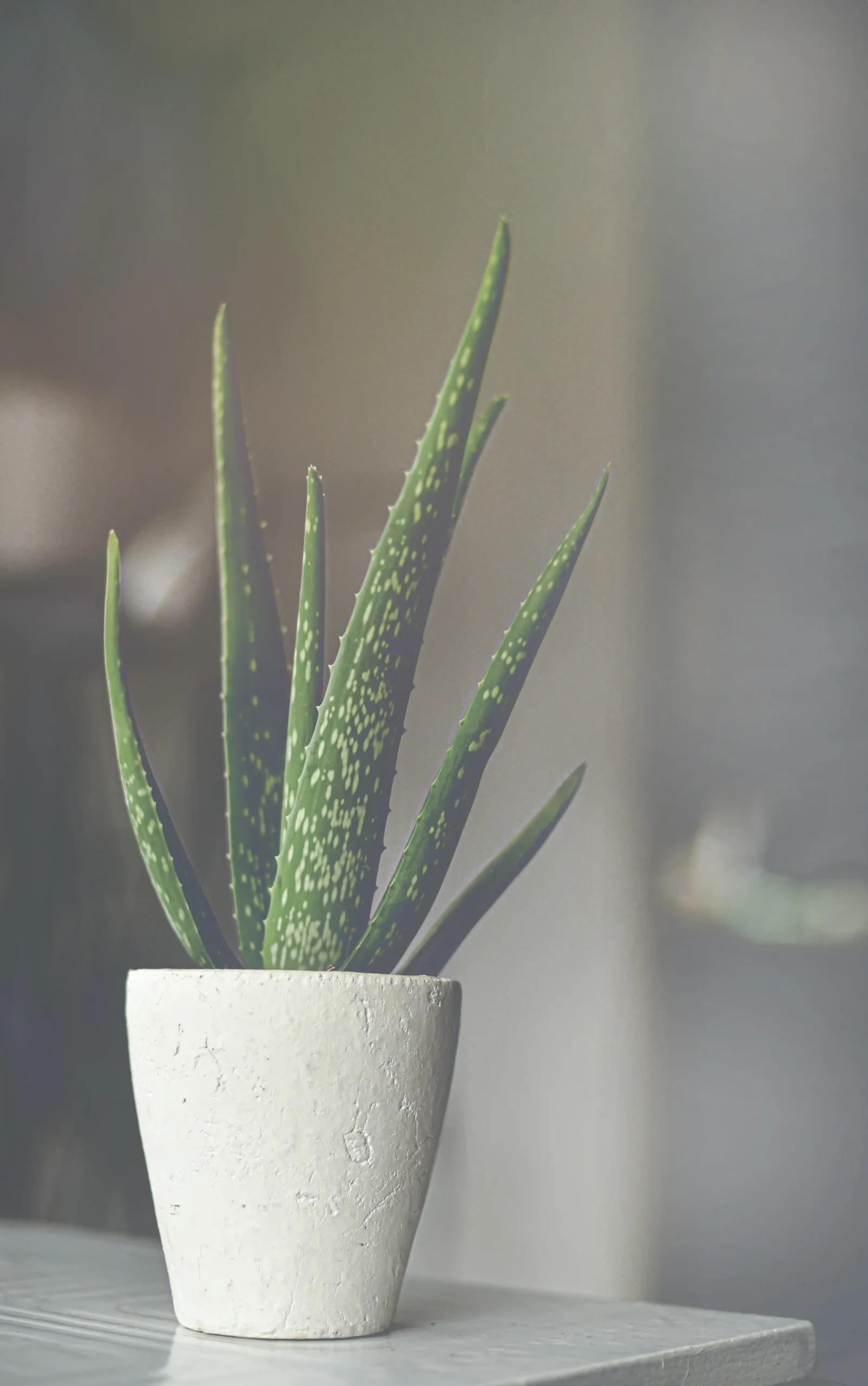
Aloe plants are known for their beauty, low maintenance, and healing properties. Whether you grow aloe indoors or outdoors, the pot you choose plays a major role in its health, growth rate, and longevity. Many plant lovers focus on watering and sunlight, but the container itself affects drainage, root development, and overall well-being. Choosing the right pot for your aloe plant ensures strong roots, vibrant green leaves, and a lower risk of problems such as root rot. This article explains what to look for in an aloe plant pot, the best materials to consider, how pot size matters, and proper potting practices.
Why the Pot Matters for an Aloe Plant
Aloe plants thrive in dry, warm environments and are highly sensitive to overwatering. Because of this, the pot you select must support proper drainage and airflow. A wrong pot can trap moisture, cause root diseases, or stunt the plant’s growth. A well-chosen pot creates the ideal environment for aloe to grow strong and produce new offsets (baby plants).
Key roles of a good pot include:
-
Providing proper drainage
-
Allowing air to reach the roots
-
Supporting stable, upright leaves
-
Helping regulate soil moisture
-
Allowing enough room for natural growth
Best Materials for an Aloe Plant Pot
1. Terracotta (Clay Pots)
Terracotta is considered the best material for aloe plants. These pots are porous, allowing air and moisture to escape naturally. This prevents overwatering and keeps the soil dry—perfect for succulents like aloe.
Benefits of terracotta:
-
Excellent drainage
-
Prevents waterlogged soil
-
Keeps roots cool
-
Heavy enough to support tall plants
Terracotta pots may dry out faster than other materials, but this is actually beneficial for aloe.
2. Ceramic Pots
Ceramic pots are attractive and come in many designs. They are often coated with glaze, which holds moisture longer. This can be an advantage if you tend to forget to water, but it requires extra attention to avoid overwatering.
Benefits of ceramic pots:
-
Stylish and decorative
-
Heavier and stable
-
Long-lasting material
If choosing ceramic, ensure it has drainage holes.
3. Plastic Pots
Plastic containers are lightweight and affordable, making them suitable for beginners. However, they retain moisture longer than clay or ceramic, so watering must be done carefully.
Benefits of plastic pots:
-
Inexpensive
-
Easy to move around
-
Good for small or young aloe plants
Plastic pots are best for people who water sparingly or have experience with succulents.
4. Wooden Planters
Wooden pots give a natural look and provide good insulation. They keep roots cool in hotter temperatures.
Benefits of wooden pots:
-
Attractive natural style
-
Good moisture regulation
-
Works well in outdoor settings
However, wood can rot over time, so choose containers with a protective lining.
5. Metal Pots
Metal pots are stylish but not ideal as a primary aloe pot unless they have a proper liner and drainage.
Concerns with metal:
-
Heats up quickly in sunlight
-
May rust
-
Moisture can accumulate if not lined
Metal can work if used as a decorative outer pot with the aloe planted in a smaller internal container.
Read more:Samsung Dryer Not Spinning: Easy Guide to Fix the Problem
Choosing the Right Size Pot
1. Avoid Oversized Pots
Aloe plants do not need large containers. Oversized pots retain too much water, increasing the risk of root rot.
2. Choose a Pot Slightly Larger Than the Root Ball
A good rule is:
-
1–2 inches wider than the aloe plant’s base
-
Deep enough to support the root system
3. Repot When Necessary
Repot your aloe only when:
-
It becomes top-heavy
-
Roots appear through the drainage holes
-
The plant produces many offsets
Aloe plants prefer being slightly root-bound, so avoid frequent repotting.
Drainage: The Most Important Feature
No matter what material you choose, drainage holes are essential for aloe plants. Without proper drainage, water collects at the bottom of the pot, causing roots to rot.
Signs of poor drainage include:
-
Mushy leaves
-
Brown or black roots
-
Slow, drooping growth
-
Fungus gnats
To improve drainage:
-
Use pots with multiple holes
-
Add a layer of pebbles at the bottom
-
Choose well-draining soil (cactus or succulent mix)
Ideal Soil for Aloe in Pots
Even with the best pot, aloe cannot thrive without the right soil. The ideal soil is:
-
Loose
-
Fast-draining
-
Low in moisture retention
Recommended types:
-
Cactus mix
-
Succulent-specific soil
-
DIY mix (sand + perlite + potting soil)
Avoid dense or water-retaining soil meant for regular houseplants.
Potting and Repotting Your Aloe Plant
Repotting helps refresh the soil, remove damaged roots, and give the plant room to grow.
Steps for repotting Aloe:
-
Gently remove the aloe from its old pot.
-
Brush off old soil and check roots for damage.
-
Place a small amount of fresh soil at the bottom of the new pot.
-
Position the plant upright.
-
Fill the pot with soil, leaving room at the top.
-
Do not water for 2–3 days to allow roots to settle.
This rest period prevents shock and reduces the risk of root rot.
Using Decorative Pots for Aloe Plants
Many people like to place aloe in decorative pots that match their interior style. This is fine as long as you follow one important rule:
Always keep aloe in an inner pot with drainage.
Then place the inner pot inside a decorative outer pot. This double-pot system keeps the plant healthy while still looking attractive.
Common Problems Caused by the Wrong Pot
Choosing the wrong container can cause issues, even if other care is correct.
1. Root Rot
Usually caused by lack of drainage or too large a pot.
2. Slow Growth
Often due to poor airflow or compact soil.
3. Tip Browning
May indicate trapped moisture or cold metal pots.
4. Plant Leaning or Falling
Happens when a pot is too light or shallow.
5. Weak Roots
Occurs when the soil stays wet for too long.
Selecting the right pot prevents most of these problems.
Tips for Success With Aloe in Pots
-
Choose terracotta pots whenever possible.
-
Ensure drainage holes are present.
-
Avoid overly large containers.
-
Use fast-draining soil.
-
Water sparingly and only when soil is dry.
-
Keep aloe in bright light.
-
Repot only when necessary.
These simple steps support healthy root development and vibrant foliage.
Conclusion
A healthy aloe plant starts with the right pot. Everything—from the material and size to drainage and weight—affects the plant’s ability to thrive. Terracotta pots remain the best choice because they offer natural airflow and prevent moisture buildup, but other materials can work well with proper care. By selecting a suitable container and using well-draining soil, your aloe plant can grow strong, produce new offsets, and stay beautiful for years. Whether you keep your aloe indoors as décor or outdoors in full sun, the right pot ensures long-term success.
Read more: https://wowhead.co.uk/