






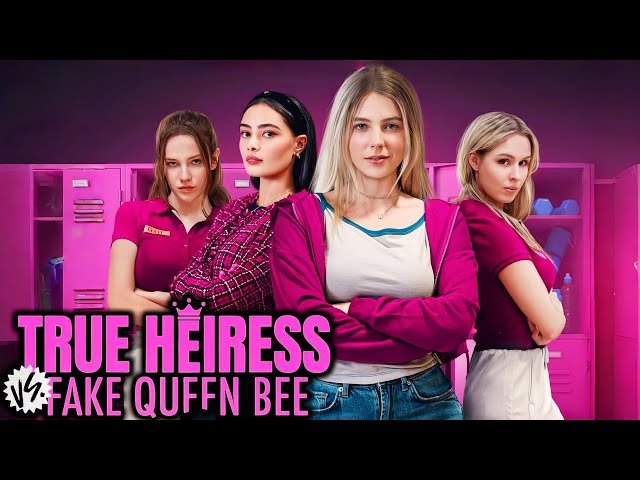
In today’s social and entertainment landscape, the story of “True Heiress, Fake Queen Bee” has captured attention for its mix of glamour, deception, and social intrigue. This narrative revolves around individuals who appear powerful and influential on the surface but struggle with authenticity beneath the façade. It highlights the tension between inherited privilege and social persona, making it a compelling tale of modern social dynamics.
What Does “True Heiress, Fake Queen Bee” Mean?
The phrase “True Heiress, Fake Queen Bee” typically refers to someone who has inherited wealth, status, or influence (the “true heiress”) but lacks the social credibility, leadership qualities, or genuine respect from peers to be a true leader (the “fake queen bee”). Essentially, it’s the contrast between real privilege and perceived power.
This theme often appears in social commentary, reality shows, and literature, where characters or personalities navigate the challenges of high society, image management, and peer recognition.
Characteristics of a “Fake Queen Bee”
While a true heiress may have wealth and status, a fake queen bee often exhibits certain traits that undermine their social authority:
-
Superficial Confidence
They may present an image of dominance or control, but it often lacks authenticity. -
Manipulative Behavior
To maintain social influence, fake queen bees might manipulate situations or relationships to their advantage. -
Dependence on Status
Their influence relies heavily on inherited privilege rather than personal achievements or genuine leadership. -
Social Insecurity
Despite appearing confident, a fake queen bee often feels insecure and may overcompensate with arrogance or attention-seeking behavior. -
Image-Obsessed
Maintaining a flawless image is crucial to them, often overshadowing real personal development or meaningful relationships.
Why This Theme Resonates
The concept of a true heiress versus a fake queen bee resonates because it reflects universal themes of authenticity, social perception, and personal identity. In a world increasingly influenced by social media, status, and appearances, many people face the challenge of balancing image with genuine character.
This narrative also sparks discussions about:
-
Privilege vs. Merit: How much of success is earned versus inherited?
-
Authenticity in Relationships: Can someone be respected for who they are, rather than what they have?
-
Social Hierarchies: How do perception and charisma influence influence and authority?
Real-Life Examples
While the phrase is often used in fictional or media contexts, many real-world examples exist where individuals with inherited wealth or influence struggle to gain genuine social credibility. These situations often highlight the gap between perception and reality, reinforcing the idea that true leadership or social influence is earned, not given.
Lessons from “True Heiress, Fake Queen Bee”
-
Authenticity Matters
True respect comes from personal actions, integrity, and emotional intelligence, not just wealth or title. -
Power is Multifaceted
Social authority is not solely about inheritance or status—it’s also about empathy, collaboration, and trust. -
Beware of Surface-Level Judgments
Appearances can be deceiving. Understanding the difference between inherited privilege and earned influence is key to navigating social dynamics. -
Personal Growth Over Image
Focusing on personal development and meaningful relationships is more impactful than maintaining a superficial image.
Conclusion
The story of the “True Heiress, Fake Queen Bee” serves as a modern reflection of social dynamics, privilege, and authenticity. It reminds us that while wealth and status can open doors, true influence and respect are earned through character, actions, and genuine connections.
In a world obsessed with image and perception, this narrative encourages reflection on the difference between being admired for who you are versus who you appear to be. It’s a lesson in authenticity, leadership, and the importance of substance over style.