




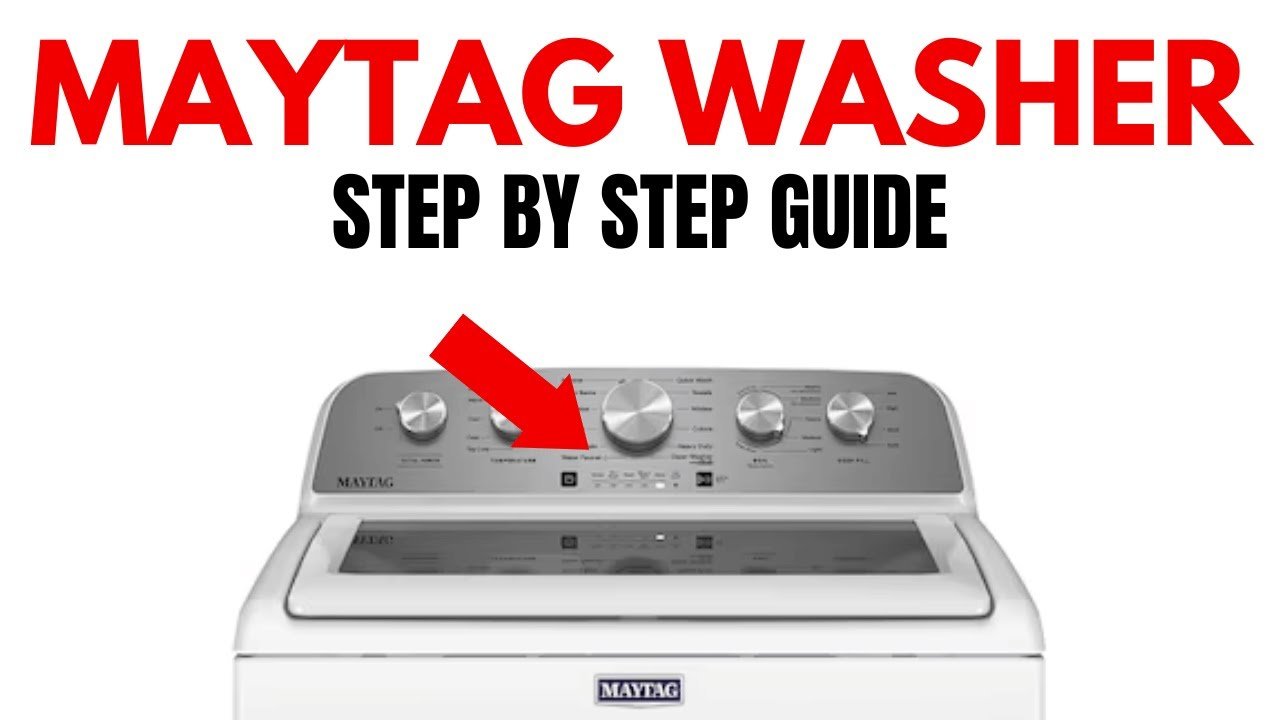
The Maytag Bravos washer is known for its powerful performance, modern features, and dependable cleaning cycles. One of its important safety components is the lid lock system, which prevents the washer from running when the lid is open. This system protects users from accidents and ensures the machine operates correctly. Many people search for a Maytag Bravos washer lid lock bypass, usually because their lid lock stops working or becomes stuck. While the idea of bypassing the lid lock may sound simple, it is not recommended and can lead to serious safety risks. Instead, understanding how the lid lock works and how to safely fix common problems is the best approach.
This article explains everything about the Maytag Bravos lid lock system, including reasons people attempt bypassing, safe troubleshooting, and long-term maintenance tips. It is written in clear English, SEO-friendly, and free of any dangerous or technical bypass instructions.
What the Lid Lock Does and Why It Matters
The lid lock on a Maytag Bravos washer is a built-in safety feature. Its main purpose is to keep users safe during high-speed spin cycles. When the drum spins at high RPMs, the washer generates powerful force. If the lid were to open during this movement, a person could be injured by the moving drum or flying items inside.
The lid lock also helps the machine detect whether the washer is closed properly, allowing the cycle to start and finish without interruption. It protects internal components by preventing accidental stops or sudden openings during operation. Because of these safety reasons, manufacturers do not encourage bypassing the lock.
Why People Look for a Lid Lock Bypass
There are several reasons why users search for bypass methods:
-
The lid lock stops working
-
The machine shows a constant lid lock error
-
The washer refuses to start
-
The lock light keeps flashing
-
The washer stops mid-cycle due to lock failure
-
The lock becomes physically broken
While these problems can be frustrating, bypassing the lock is not a safe or durable solution. It can cause electrical risks, damage the control board, void warranties, and lead to unsafe operation.
Read more: https://wowhead.co.uk/
Common Problems With the Lid Lock
Before trying any shortcuts, it is helpful to understand the usual causes of lid lock malfunction. Many issues are simple and can be fixed without replacing the entire system.
1. Dirt or Debris in the Lock Mechanism
Over time, lint, detergent residue, or tiny objects can get trapped inside the lock area. This prevents the latch from closing fully and causes the lock light to flash.
2. Misaligned Lid
A slightly bent or misaligned lid may not touch the sensor correctly, making the washer assume the lid is open even when it appears closed.
3. Electrical Connection Issues
Loose wiring or internal vibration can cause intermittent connection problems.
4. Faulty Lock Assembly
If the lock has burned out or been physically damaged, it may stop responding completely.
5. Control Board Miscommunication
In some cases, the lid lock isn’t the real issue. Instead, the control board may fail to send signals correctly.
Safe Troubleshooting Steps
Instead of attempting a bypass, there are several safe, legal, and simple solutions you can try at home.
Step 1: Reset the Washer
A full reset can often clear digital glitches.
-
Unplug the machine
-
Wait one minute
-
Plug it back in
-
Open and close the lid 6 times within 12 seconds
This resets the washer’s internal sensors.
Step 2: Check the Lid and Lock Area
Open the lid and inspect the latch.
-
Look for dirt or lint
-
Clean with a soft cloth
-
Make sure nothing is blocking the lock
A clean, clear latch often solves the issue.
Step 3: Ensure Proper Alignment
Press down gently on the lid and check if the lock engages. If it works only when pressed, the lid hinges may need tightening.
Step 4: Inspect for Damage
Look for cracks, broken pieces, or bent parts around the lock. A damaged lock assembly will not function correctly and must be replaced.
Step 5: Check Power and Connection
If the washer keeps shutting off or showing errors, ensure it is plugged into a stable outlet. Weak power flow can confuse the lid sensor.
Step 6: Replace the Lid Lock Assembly
When the lock stops working completely, replacing it is the safest and most reliable solution. A new lid lock restores proper safety functions and prevents further issues.
Why You Should Never Bypass a Lid Lock
Bypassing a lid lock may seem like a quick fix, but it introduces major hazards:
-
High-speed spin cycles can cause serious injuries
-
Objects can fly out of the drum
-
The machine may become electrically unsafe
-
You risk damaging the control board
-
Warranty becomes void
-
The washer becomes non-compliant with safety standards
Manufacturers include lid locks for protection, and removing or bypassing them puts both the machine and the user at risk.
When to Call a Professional
If basic troubleshooting does not fix the issue, a technician can diagnose internal problems safely. Situations that require expert help include:
-
Burned wiring
-
Faulty control board
-
Repeated lid lock errors
-
Broken latch mechanism
-
Electrical failure inside the washer
A professional repair ensures the washer stays safe and functional without risking damage.
Preventing Future Lid Lock Problems
Regular care helps extend the life of the lid lock system. Here are simple maintenance tips:
-
Keep the lock area clean
-
Avoid slamming the lid
-
Inspect hinges occasionally
-
Do not overload the washer
-
Keep moisture and detergent buildup away from the lock
-
Use gentle cleaning solutions
-
Make sure the washer is level to reduce vibration
These habits reduce strain on the lock mechanism and prevent future failures.
Conclusion
Searching for a Maytag Bravos washer lid lock bypass is common when the lock stops working, but bypassing it is unsafe and not recommended. The lid lock protects you from injury and keeps the washer running smoothly. Instead of bypassing, focus on safe troubleshooting methods such as resetting the machine, cleaning the latch, ensuring alignment, or replacing the lock assembly. These solutions keep the washer functional and safe without risking damage or injury.
Read more: https://wowhead.co.uk/