




Introduction
When buying a washing machine, one of the most common questions people ask is whether an agitator cleans clothes better. Washing machines mainly come in two designs: those with an agitator and those without one (often called impeller or high-efficiency models). Many people grew up using agitator washers and trust them for tough stains, while others prefer modern designs for fabric care and water savings. To understand which option truly cleans better, it is important to look at how each system works, what kind of laundry you wash, and what “clean” really means in everyday use.
What Is an Agitator?
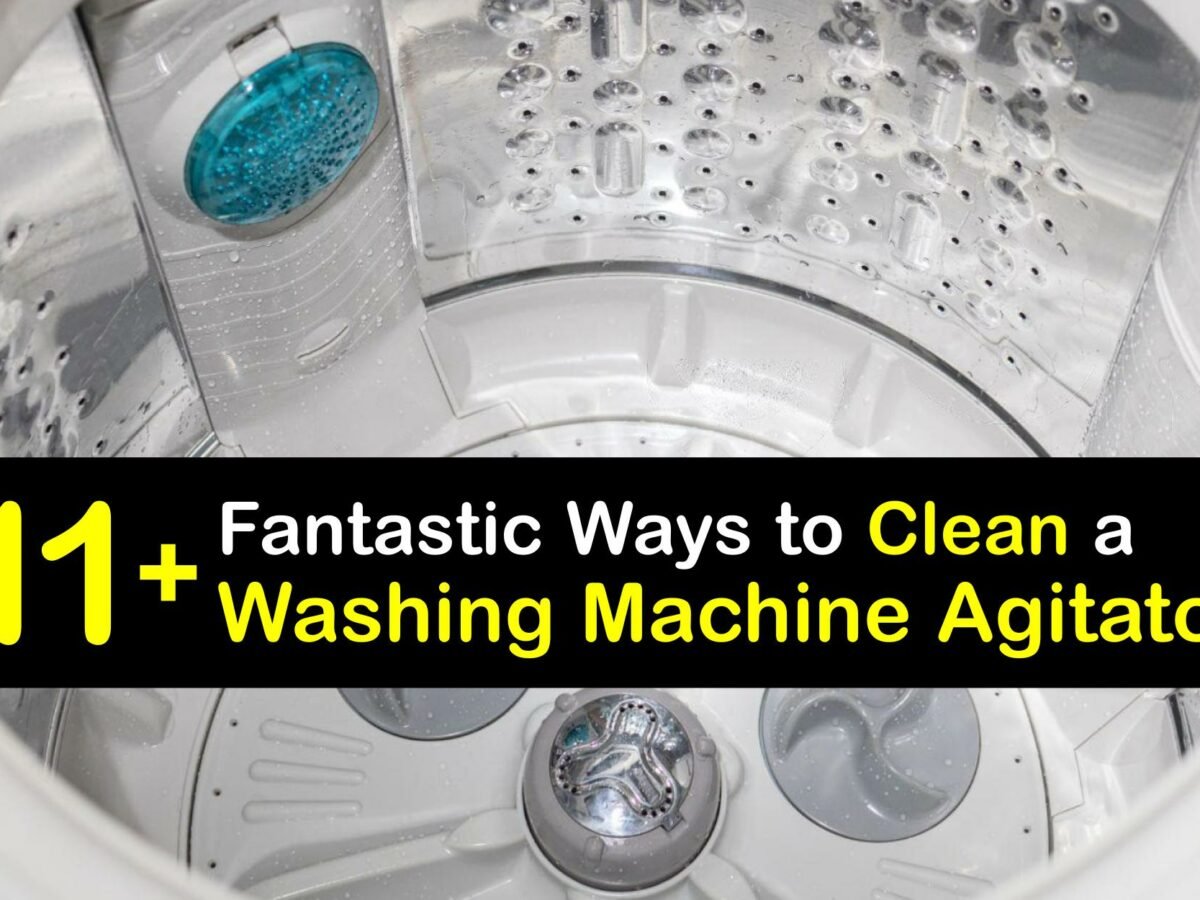
An agitator is the tall spindle located in the center of a traditional top-load washing machine. During the wash cycle, it moves back and forth, twisting and rubbing clothes against each other. This motion creates friction, which helps loosen dirt, grease, and stains from fabric fibers. Agitator washers are known for their strong mechanical action, which has been the standard for decades.
How an Agitator Washer Cleans
Agitator washers rely on physical movement more than anything else. Clothes are pulled down toward the bottom of the tub and then pushed back up repeatedly. This constant motion helps detergent penetrate fabric quickly. Heavy items such as jeans, towels, and work clothes benefit from this forceful action, especially when dealing with mud, oil, or sweat.
Because of this aggressive movement, agitator washers often deliver faster wash cycles. The strong agitation can remove visible dirt in a shorter amount of time compared to gentler systems. For many users, this quick and powerful cleaning gives confidence that clothes are truly clean.
What Is an Impeller or Agitator-Free Washer?
Agitator-free washers usually have a low-profile disc or plate at the bottom of the tub instead of a tall center post. This plate spins and creates water currents that move clothes around the drum. Instead of rubbing clothes harshly, these machines lift and drop laundry through the water.
This design is commonly found in high-efficiency top-loaders and front-load washers. They are built to use less water and energy while still providing effective cleaning through longer cycles and optimized detergent use.
Read more:OnPressCapital Complete Guide for Modern Investors and Businesses
Cleaning Performance: Agitator vs Impeller
When it comes to raw stain-fighting power, agitators often have an advantage. The intense movement helps break down stubborn dirt faster. For households with children, athletes, or physically demanding jobs, this can be a major benefit.
However, impeller machines clean in a different way. They rely on time, water flow, and detergent chemistry rather than force. While they may take longer, they can still achieve excellent cleaning results, especially for everyday laundry such as lightly soiled clothes, office wear, and delicate fabrics.
So does an agitator clean better? In many cases, yes—especially for heavily soiled loads. But “better” depends on what you are washing and how often you deal with tough stains.
Fabric Care and Wear
One downside of agitator washers is fabric wear. The same friction that removes dirt can also stress fibers. Over time, clothes may fade, pill, or stretch more quickly. Delicate items are especially vulnerable in agitator machines unless washed on gentle settings or placed in protective bags.
Impeller washers are gentler on clothing. The smoother motion reduces pulling and twisting, helping clothes last longer. If fabric care and longevity are a priority, an agitator-free design may be the better choice, even if it sacrifices some cleaning aggression.
Water and Energy Use
Agitator washers usually use more water because clothes must be fully submerged for the agitator to move them effectively. This higher water usage can also mean higher energy costs, especially if hot water is used frequently.
Impeller and high-efficiency washers are designed to use less water. They rely on concentrated detergent and efficient motion to clean clothes. While this does not directly affect how clean clothes look, it can influence long-term operating costs and environmental impact.
Load Size and Convenience
Another factor to consider is load capacity. Agitators take up space in the center of the drum, reducing the amount of laundry you can wash at one time. Bulky items like comforters can be harder to fit.
Agitator-free machines offer more usable space, making it easier to wash large or mixed loads. This convenience can matter just as much as cleaning strength for busy households.
Maintenance and Reliability
Agitator washers are mechanically simple and have been around for a long time. Many people trust them for durability and straightforward repairs. The design is familiar, and problems are often easier to diagnose.
Impeller machines may use more advanced electronics and sensors. While reliable, they can be more complex to repair. This does not affect cleaning quality directly, but it does influence long-term ownership satisfaction.
Which One Should You Choose?
If your priority is deep cleaning of heavily soiled clothes, an agitator washer often performs better. Its strong action is hard to beat for tough stains and quick results.
If you wash mostly lightly to moderately soiled clothes and want to protect fabrics, save water, and fit larger loads, an impeller or agitator-free washer may be the smarter option.
Conclusion
An agitator does clean better in situations that demand strong mechanical action. It excels at removing stubborn dirt and grime quickly. However, cleaning is not just about force—it is also about fabric care, efficiency, and daily needs. The best washer is the one that matches your lifestyle. Understanding how agitators work helps you make a confident choice, whether you value powerful cleaning or gentle, efficient performance.
Read more: https://wowhead.co.uk/