




Introduction
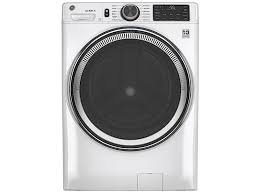
A General Electric washer that will not spin can be frustrating, especially when clothes come out soaking wet at the end of a wash cycle. Spinning is a critical function because it removes excess water from laundry, reducing drying time and preventing odors. When this feature fails, the problem can range from a simple user setting to a more serious mechanical or electrical issue. Understanding why your GE washer is not spinning can help you decide whether the fix is easy enough to do yourself or if professional service is needed. This article explains the most common causes, symptoms, and solutions in a clear and practical way.
How the Spinning System Works
Before troubleshooting, it helps to understand how a GE washer spins. During the spin cycle, the motor powers the drive system, which turns the drum at high speed. The lid or door switch confirms the washer is safely closed, and the control board signals the motor when to start spinning. At the same time, water is drained out through the pump. If any part of this system fails, the washer may wash normally but refuse to spin.
Incorrect Wash Settings
One of the simplest reasons a GE washer does not spin is incorrect settings. Some cycles are designed to spin at lower speeds or not spin at all.
What to Check
-
Delicate or hand-wash cycles
-
Rinse and hold options
-
Spin speed set to low or off
Solution
Review the control panel and select a normal or heavy-duty cycle with a high spin speed. Restart the washer and observe if the spin function resumes.
Unbalanced Load Issues
GE washers are designed with safety features that stop spinning if the load is unbalanced. This prevents damage to internal components.
Common Signs
-
Washer shakes excessively
-
Drum stops mid-cycle
-
Clothes clumped on one side
Solution
Pause the washer and redistribute the clothes evenly around the drum. Avoid washing single heavy items like blankets alone. Restart the cycle after balancing the load.
Lid Switch or Door Lock Failure
Top-load GE washers use a lid switch, while front-load models rely on a door lock mechanism. If the washer thinks the door is open, it will not spin.
Symptoms
-
Washer fills and drains but does not spin
-
Clicking sound missing when lid is closed
-
Error codes related to door or lid
Solution
Check if the lid or door closes firmly. Inspect the switch or lock for visible damage. A faulty switch or lock usually needs replacement, as it is a safety component.
Drainage Problems
If the washer cannot drain water properly, it will not enter the spin cycle. GE washers are programmed to prevent spinning when water is still inside the drum.
Possible Causes
-
Clogged drain hose
-
Blocked pump filter
-
Faulty drain pump
Solution
Inspect the drain hose for kinks or clogs. Clean the pump filter if accessible. If you hear a humming noise but no water drains, the pump may need replacement.
Drive Belt Issues
Many GE washers use a drive belt to rotate the drum. Over time, the belt can wear out, stretch, or break.
Signs of a Bad Belt
-
Motor runs but drum does not spin
-
Burning rubber smell
-
Drum spins by hand easily
Solution
Unplug the washer and inspect the belt underneath the unit. If it appears loose or damaged, replacing the belt can restore normal spinning.
Read more:Essential Grout Maintenance Tips for Clean and Durable Tiles
Motor Coupling Problems
Some GE models use a motor coupling instead of a belt. This coupling connects the motor to the transmission.
Symptoms
-
Washer fills and drains but does not spin or agitate
-
Rattling noise during operation
Solution
A broken motor coupling must be replaced. This repair is more involved but still manageable for experienced DIY users.
Control Board Malfunction
The control board acts as the brain of the washer. If it fails, the washer may not send the correct signals to spin.
Warning Signs
-
Washer behaves erratically
-
Spin cycle never activates
-
Multiple functions fail at once
Solution
Reset the washer by unplugging it for several minutes. If the problem continues, the control board may need professional diagnosis and replacement.
Worn Clutch or Transmission
In older GE washers, the clutch or transmission may wear out over time, preventing the drum from reaching full spin speed.
Indicators
-
Weak or slow spinning
-
Grinding or whining noises
-
Washer struggles with heavy loads
Solution
Clutch or transmission repairs are complex and often costly. In some cases, replacing the washer may be more economical than repairing these components.
Overloading the Washer
Consistently overloading your GE washer can strain the motor and drive system, leading to spin problems.
Effects of Overloading
-
Frequent unbalanced loads
-
Increased wear on parts
-
Reduced spinning performance
Solution
Follow the manufacturer’s load guidelines. Leave enough space in the drum for clothes to move freely during washing and spinning.
Preventive Maintenance Tips
Regular maintenance can help prevent spinning issues and extend the life of your GE washer.
Helpful Practices
-
Clean the drain filter regularly
-
Avoid overloading
-
Use the correct detergent amount
-
Inspect hoses and belts periodically
Simple habits can reduce the chances of unexpected breakdowns.
When to Call a Professional
If you have checked the settings, balanced the load, and inspected basic components but the washer still will not spin, professional help may be necessary. Electrical issues, control board failures, and transmission problems often require specialized tools and experience.
Conclusion
A General Electric washer not spinning is a common problem with many possible causes, ranging from simple user errors to serious mechanical failures. By understanding how the spinning system works and following a step-by-step troubleshooting approach, you can often identify and fix the issue yourself. Proper use, regular maintenance, and early attention to warning signs can keep your washer running smoothly and spinning effectively for years to come.
Read more: https://wowhead.co.uk/