



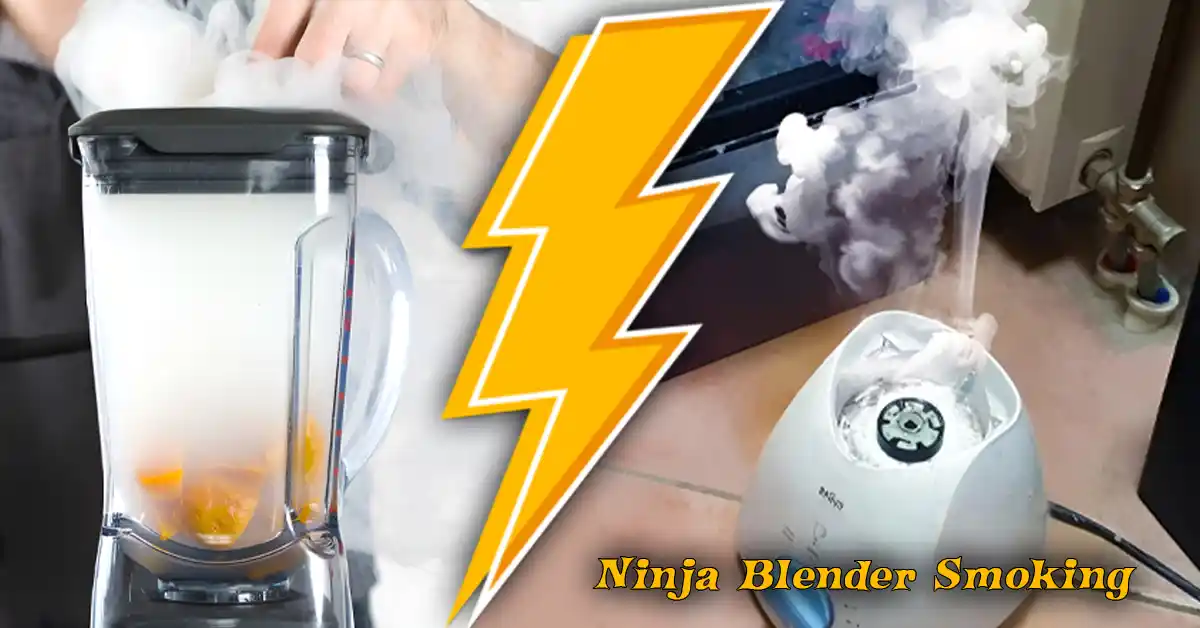
A smoking Ninja blender is a serious warning sign that something inside the appliance is overheating, blocked, or damaged. Even though Ninja blenders are powerful, they can still run into problems when used incorrectly or under heavy pressure. Understanding the reasons behind the smoke helps you fix the issue safely and prevent bigger damage in the future.
Common Reasons Your Ninja Blender Is Smoking
Overheating Motor
The most common reason for smoke is an overheating motor. When you blend thick mixtures or run the blender for too long, the motor generates excessive heat. Once the internal temperature gets too high, parts inside begin to burn and release smoke. This often happens with frozen fruits, nut butters, or dense mixtures without enough liquid. Always turn off the blender immediately if you see smoke and give it 20–30 minutes to cool down.
Jammed or Blocked Blades
If the blades are stuck or unable to spin freely, the motor works harder and overheats. Blockages happen when ingredients are too thick, too frozen, or too large. It can also happen if old food build-up is stuck beneath the blades. When blades struggle, friction increases and smoke may appear. Clean the blade assembly thoroughly and ensure nothing is blocking rotation before using it again.
Worn-Out Motor Brushes
Inside the motor are carbon brushes that deliver power. Over time, especially after years of usage, these brushes become thin and start sparking. This creates smoke, noise, and a burning smell. Older blenders experience this problem more often. Replacing brushes can fix the issue, but many people prefer replacing the entire blender because internal repairs can be difficult.
Burning Rubber or Damaged Coupling
The coupling connects the motor base to the blade assembly. When this part wears out, it slips and creates friction. The rubber heats up, melts, and begins smoking. You may also hear grinding or rattling sounds. If the coupling is burnt or damaged, it must be replaced immediately because continued use can damage the motor permanently.
Overloading the Blender Pitcher
Too many ingredients at once cause the motor to work beyond its power limit. With overloaded pitchers, the blades struggle to rotate and the motor overheats. Thick mixtures without liquids make this even worse. Always follow the maximum fill line and blend in smaller batches if needed. Adding liquid helps reduce strain.
Electrical Fault or Wiring Problem
An electrical short inside the motor or wiring can create sparks and smoke. This can happen if the blender was dropped, exposed to moisture, or plugged into a faulty outlet. Electrical smoke usually smells sharp or metallic. This type of issue is dangerous, and you should never attempt to continue using the blender. It needs replacement or professional inspection.
Blending Items That Are Too Hard
Not everything should be blended. Hard items like bones, raw rice, thick dough, or large frozen blocks can strain the blades and motor. When the blender cannot break down an ingredient, the motor overheats and begins smoking. Always check whether an ingredient is safe for blending. If it is extremely tough, use another appliance like a food processor.
Poor Cleaning and Maintenance
Food residue under the blades or inside the pitcher can cause the motor to work harder. Sticky or hardened leftovers increase friction, making the motor heat up faster. Regular cleaning helps prevent smoking and extends your blender’s life. Remove the blades and clean thoroughly after each use.
Signs Your Ninja Blender Is About to Smoke
Unusual Burning Smell
A rubber or electrical smell often appears before smoke becomes visible.
Slow or Struggling Blades
If the blades move slowly or unevenly, it means the motor is under pressure.
Loud Grinding or Rattling Noises
Strange noises signal blocked blades or a worn coupling.
Hot Blender Base
If the base feels hotter than normal, turn the blender off immediately.
How to Fix a Smoking Ninja Blender
Unplug the Blender Immediately
Safety first—never touch a smoking blender while it’s plugged in.
Let the Motor Cool Down
Give it at least 30 minutes to cool before inspecting.
Clean the Blade Assembly
Remove food buildup and ensure the blades rotate smoothly.
Reduce Ingredient Load
If overloaded, remove some ingredients and add liquid.
Check the Coupling
Look for melted, cracked, or worn rubber.
Blend in Short Bursts
Use pulse mode or short intervals to prevent overheating.
Avoid Hard Ingredients
Cut ingredients smaller or soften them before blending.
When to Replace Your Ninja Blender
If your Ninja blender continues smoking even after cleaning, reducing load, and cooling the motor, the internal components may be permanently damaged. Electrical burning smells, sparks, or smoke coming directly from the motor area are signs that the blender is no longer safe. In these cases, replacement is the best option.
Tips to Prevent Your Ninja Blender From Smoking
Always follow the maximum fill level.
Add enough liquid for smooth blending.
Cut large fruits and vegetables into smaller pieces.
Clean the blender after every use.
Do not run the blender for long continuous sessions.
Give the motor rest between heavy tasks.
Conclusion
A smoking Ninja blender is a sign that something inside is overheating, blocked, or damaged. Understanding the causes helps you fix the issue quickly and safely. With proper usage, cleaning, and maintenance, you can prevent smoking and keep your Ninja blender working efficiently for a long time.